Chain Link Fence: Still the Right Choice for These 7 Jobs
Chain link has an image problem. It reads as utilitarian, and in an era of vinyl privacy and black aluminum it gets dismissed early. That is a mistake, because for certain jobs nothing else comes close on value. Here is where it is genuinely the best answer.
1. Large perimeters on a real budget
Chain link is the lowest cost per foot of any permanent fencing. When you need to enclose several hundred feet, or an entire commercial yard, the difference between chain link and anything else is not a rounding error. It is often the difference between doing the project and not doing it.
2. Security, plainly
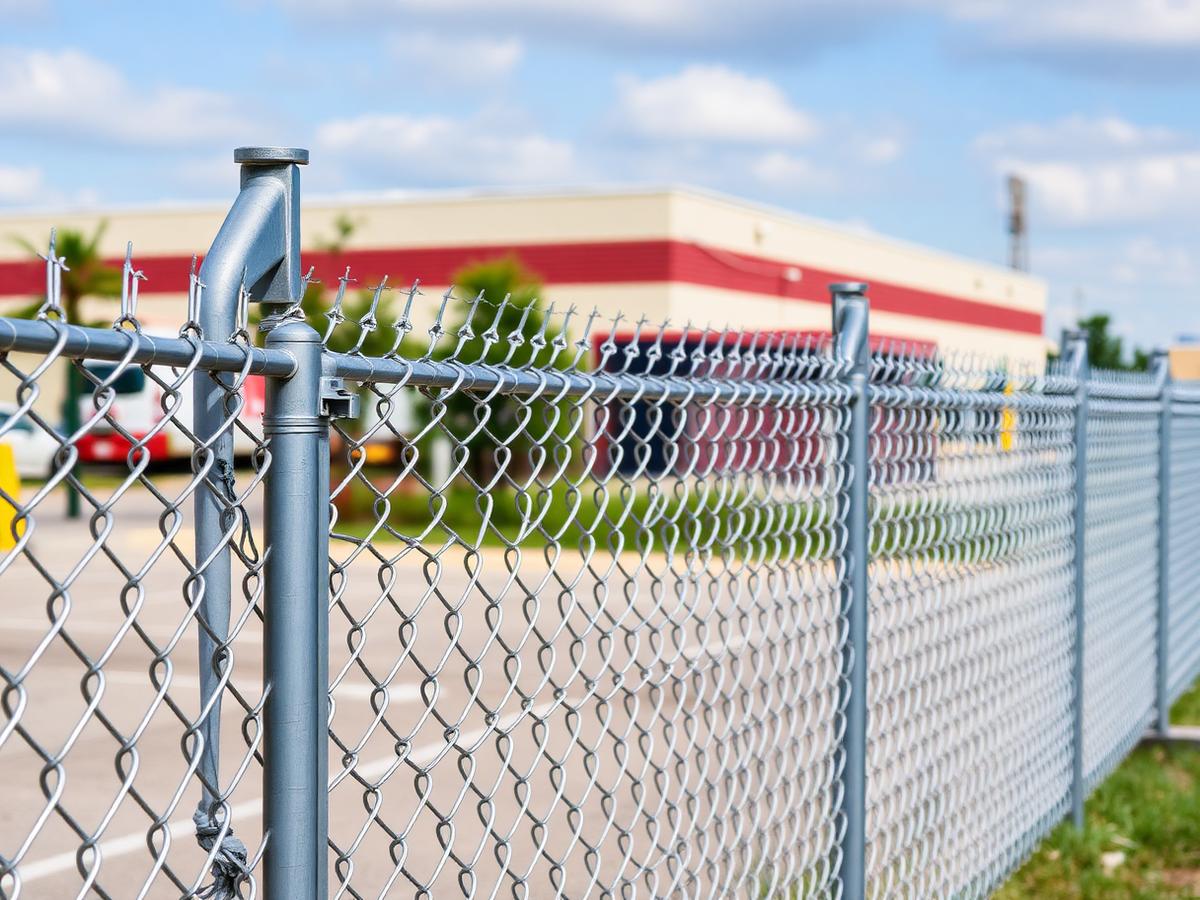
It is difficult to cut, difficult to break, and difficult to climb at height with the right top treatment. Galvanized steel mesh under tension resists impact better than most people assume. This is why it protects utilities, industrial sites, storage yards, and school property.
3. Dog runs and containment
Chain link is the classic dog fence and it earns that. It is chew resistant in a way vinyl and wood are not, it holds up to a large dog throwing weight into it, and it can be economically installed at heights that stop jumpers. Bury mesh at the base for diggers and it is close to unbeatable.
4. Athletic fields and courts
Backstops, foul line fencing, tennis and pickleball enclosures, and batting cages are chain link because the application demands a barrier that stops a ball, survives impact, and lets spectators see through it. There is no practical substitute.
5. Pool enclosures where budget rules
Chain link can meet pool barrier requirements with appropriate mesh size or slats, correct height, and compliant self-closing self-latching gate hardware. It is not the prettiest pool fence, but it is compliant and it is affordable, which matters for rentals, multifamily properties, and secondary enclosures. Always confirm specifics with your building department.
6. Wind-exposed locations
Open mesh passes wind rather than catching it. On exposed lots, waterfront property, and open commercial parcels, that dramatically reduces load on posts and footings. A solid privacy panel in the same location needs far more substantial footings to survive a nor'easter.
7. Temporary and construction fencing
Job site perimeters, event fencing, and interim enclosures during construction are chain link because it installs fast, comes down fast, and can be relocated and reused.
Options that make it look considerably better
The dismissal of chain link is usually a reaction to bare galvanized. There are better versions.
Black vinyl-coated mesh and framework is the single biggest upgrade available. It costs modestly more and looks dramatically better, receding into landscaping and reading almost as a shadow rather than as a fence. It also adds corrosion protection, which matters near salt water.
Privacy slats woven vertically through the mesh provide screening at a fraction of the cost of a privacy fence, in several colors.
Windscreen fabric attaches to the mesh for full screening, common on courts and construction sites.
Top rail versus tension wire changes the look and the strength. A top rail gives a cleaner finished line.
Combining materials strategically
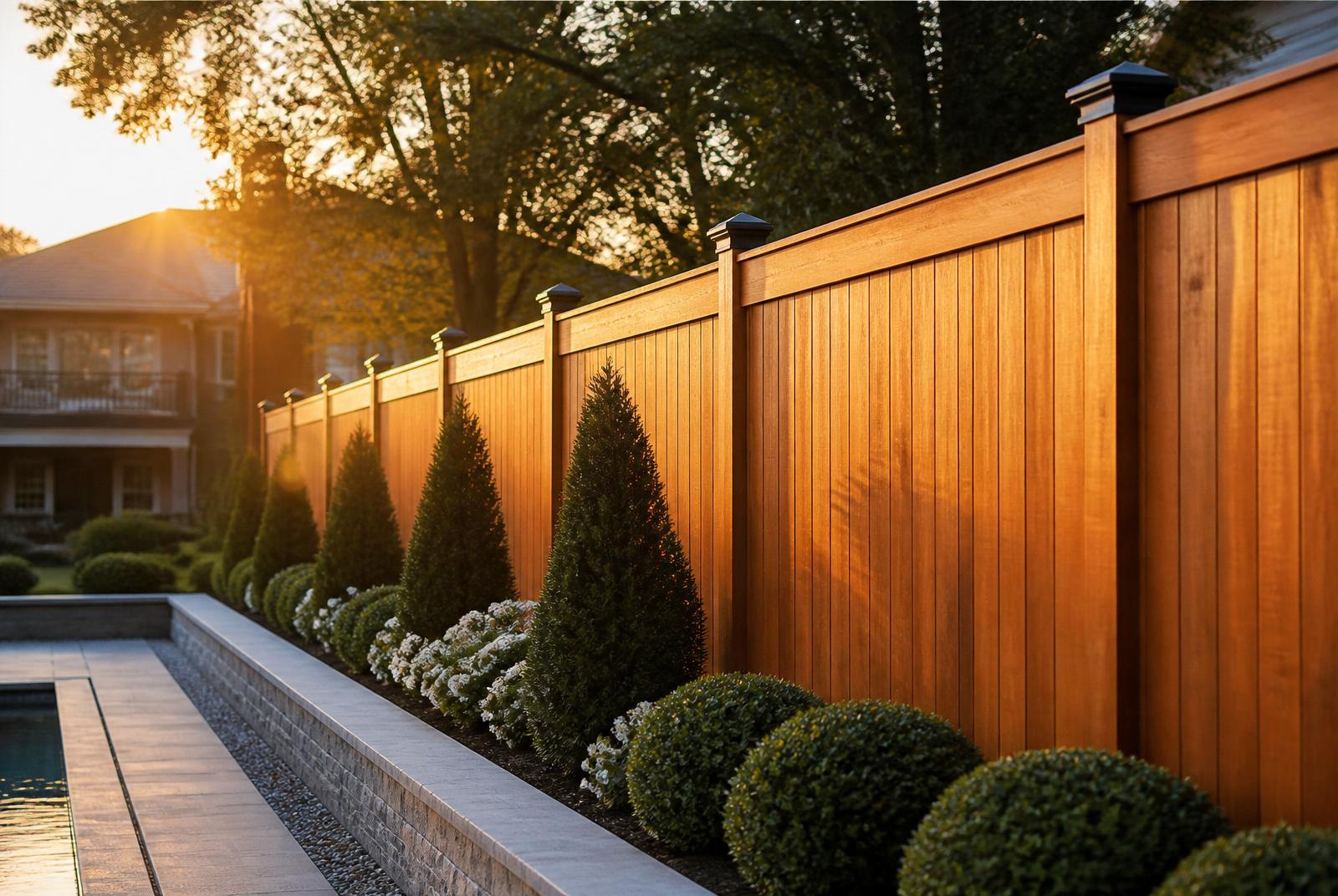
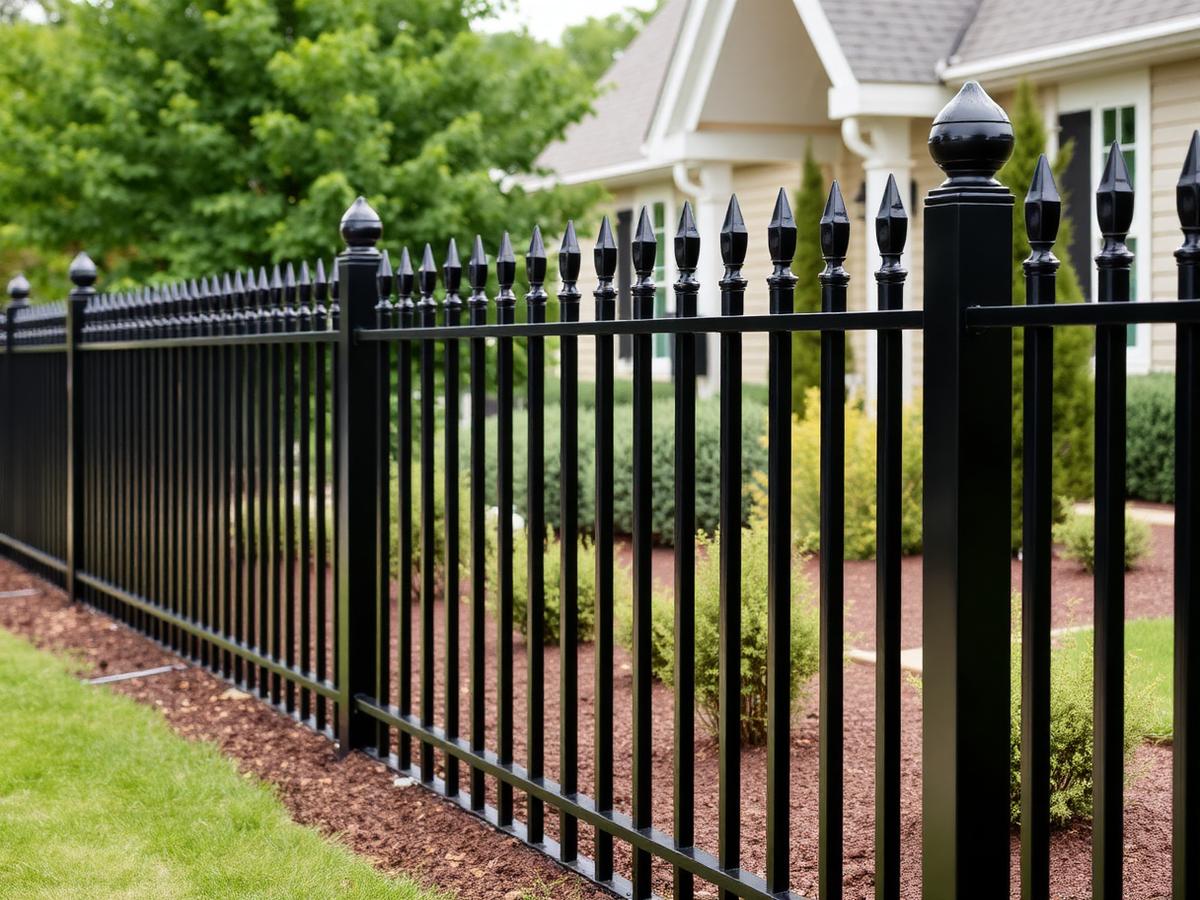
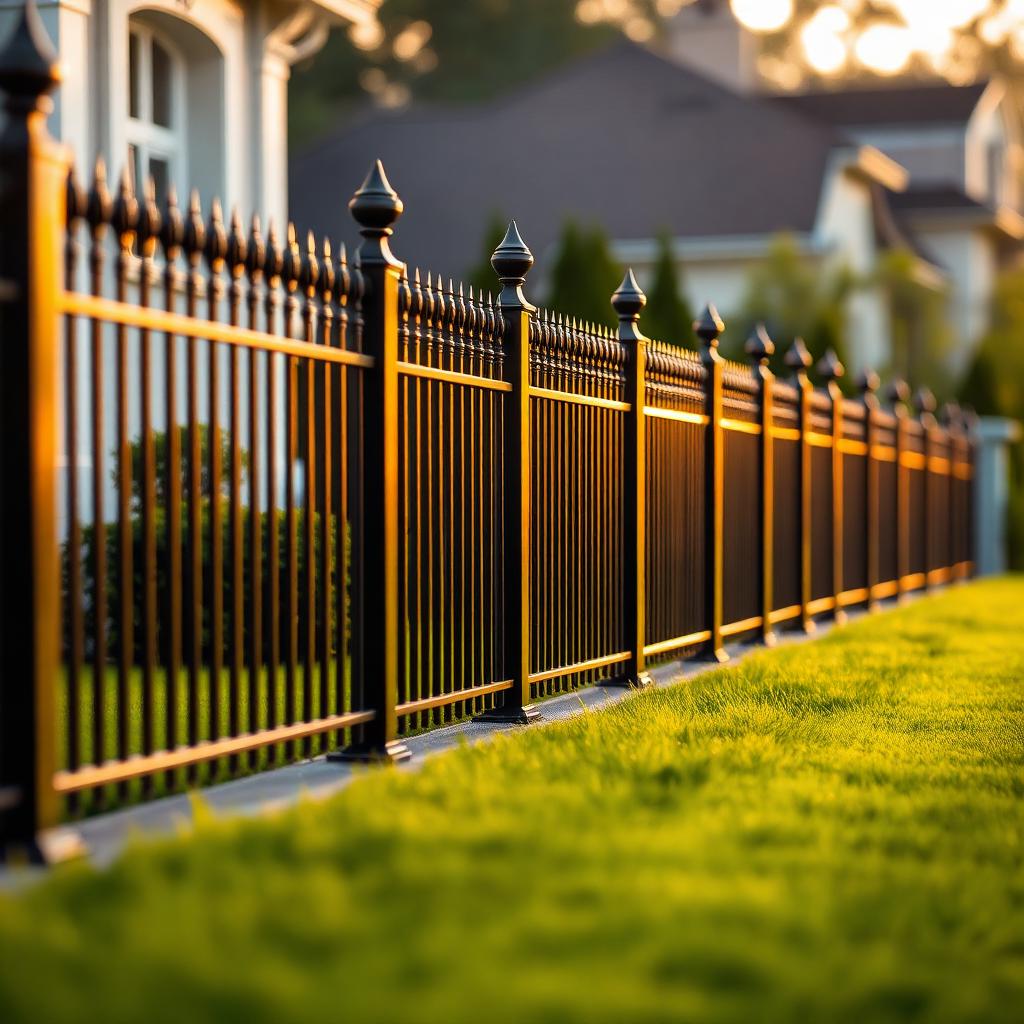
The smartest use of chain link on many properties is partial. Run ornamental aluminum or vinyl along the street-facing and neighbor-facing sections where appearance matters, and chain link along the back property line where it borders woods or another yard. You get the look where it counts and save real money where it does not.
Durability
Galvanized chain link commonly lasts twenty years or more. Near salt water, the vinyl-coated version substantially outperforms bare galvanized. Watch cut ends and scratches, since that is where corrosion starts, and keep tension bands snug.
Maintenance
Minimal. Rinse occasionally, check tension bands and hardware annually, and address rust spots early.
Installation quality still matters
Because chain link is the value option, it attracts the cheapest installers, and that is where its reputation suffers. A well-installed chain link fence has properly set terminal posts, correct concrete footings, evenly tensioned mesh with no waves or sags, and hardware torqued correctly. A poorly installed one sags within a year and looks it. The material is not the problem when a chain link fence looks bad at year three. The installation usually is.
Gate hardware
Specify better hardware than the minimum, particularly on gates that see daily use. Industrial hinges, a proper latch, and a drop rod on double gates cost little at install and prevent the sagging that makes an otherwise sound fence feel cheap.
We install residential and commercial chain link across Suffolk and Nassau County. Call Magistrale Fence & Railing at (631) 784-3258.