Fence Height Rules in Nassau and Suffolk County
Height is the most commonly regulated part of a fence, and it is the rule homeowners most often discover after the fence is already up. Here is how height regulation generally works on Long Island and what to check before you order.
The typical pattern
Most Long Island municipalities regulate height differently depending on where on the lot the fence sits. The common structure looks like this:
- Rear and side yards: commonly capped around six feet
- Front yards: commonly capped around four feet, sometimes lower, and often with material or opacity restrictions
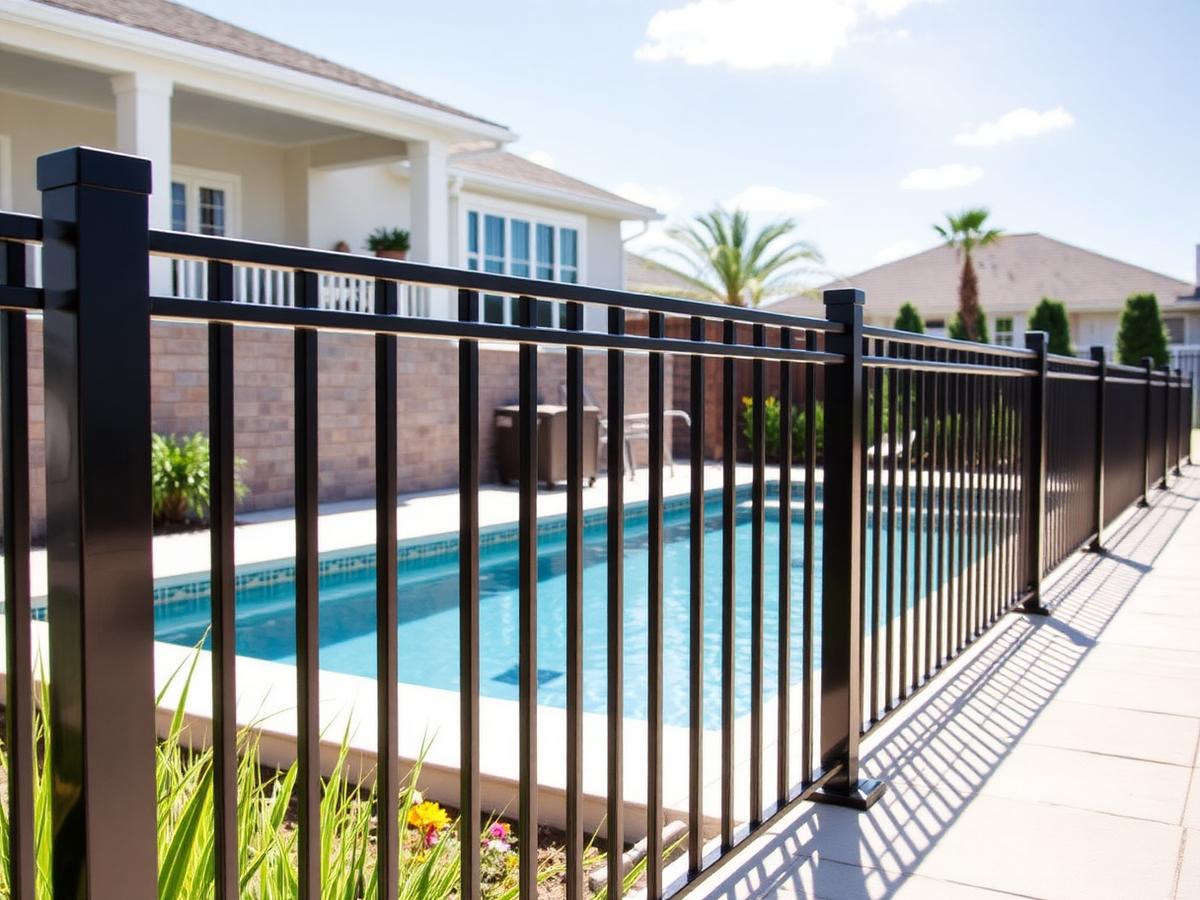
- Pool barriers: a minimum height rather than a maximum, typically 48 inches or more
- Corner lots: additional limits inside the sight triangle at the intersection
Those numbers are the common pattern, not a guarantee. Your village or town sets the actual figures, and incorporated villages frequently differ from the surrounding town.
Why front yards are treated differently
Front yard limits exist to preserve sight lines, street character, and neighborhood visibility. This is why a six-foot solid privacy fence that is perfectly legal behind your house may not be permitted in front of it. Many homeowners solve this with a four-foot picket or ornamental aluminum in front and full-height privacy in the rear, which is both compliant and better looking.
Where the front yard actually starts
This trips people up constantly. The regulated front yard is usually defined as the area between the street and the front building line of the house, extended to the side property lines. It is not just the strip of lawn by the sidewalk. On a house set well back from the road, the restricted zone can be much larger than expected.
Corner lots technically have two front yards, one on each street. That is why corner properties face the tightest restrictions on Long Island and why so many corner fences end up in front of a zoning board.
How height is measured
Generally from the finished grade at the base of the fence to the highest point of the fence. Details that matter:
- Post caps and finials may or may not count. Many codes allow a small allowance for decorative caps.
- Lattice toppers usually count toward total height, so a six-foot privacy panel with a one-foot lattice top is a seven-foot fence.
- Berms and retaining walls. Building a fence on top of a raised bed or wall can put you over the limit even if the fence panel itself is compliant, because measurement is taken from the lower grade on the neighbor's side in many codes.
- Sloped yards are measured at multiple points along the run, not averaged.
Variances
If you need more height than the code allows, there is a process. You apply to the zoning board of appeals, notify neighbors, and present a reason. Legitimate hardship arguments include an unusual grade condition, backing onto a commercial property or a busy road, or a genuine privacy or safety issue.
Variances take time and are not guaranteed. Neighbor objections carry weight. Start early if this is your path.
Practical ways to get privacy within the limit
Height is not the only tool. Plantings in front of a compliant fence add screening without adding fence height. Grading, raised beds set back from the fence line, and strategically placed pergolas or privacy screens near a patio all create the feeling of enclosure. A well-designed six-foot board-on-board fence with dense evergreens behind it reads as far more private than a bare seven-foot panel.
Check before you order, not after
Custom panels are cut to size. Once material is ordered and cut, changing height is a material cost, not a conversation. A ten-minute call to your building department before the order goes in protects the entire project.
We confirm height limits for your specific address as part of every estimate, and we will design around them so you get the privacy you want without a violation. Call Magistrale Fence & Railing at (631) 784-3258.
Neighbor notification
Some villages require that adjoining property owners be notified when a fence permit is filed, and a few require signed consent for fences on or near the line. Even where it is not required, telling your neighbor before the crew arrives is worth doing. Complaints are what bring building inspectors out to measure, and a fence at the legal limit still costs you time and stress if someone calls it in.
This article is general guidance. Confirm requirements with your local building department.