If you are putting in a pool, the barrier is not an accessory. It is a code requirement, it is inspected, and your certificate of occupancy or pool permit depends on getting it right. Here is a plain-English overview of what is generally required and what to verify locally.
The barrier is required, and it is required early
New York State requires that residential swimming pools, including permanently installed above-ground pools, be enclosed by a barrier. That includes hot tubs and spas unless they have an approved lockable safety cover. Temporary fencing is generally required during construction, before the pool is filled, and inspectors do check.
Height
The state residential code sets a minimum barrier height of 48 inches measured on the outside of the fence, from the finished grade. Many Suffolk towns and incorporated villages require more, with 54 or 60 inches appearing in local codes. Your town is the authority here, so confirm before you order material.
Gaps and openings
The gap between the bottom of the fence and the ground cannot exceed 2 inches on the outside. On a sloping yard this is the single most common failure, because a panel that sits tight at one end can leave a wide gap twenty feet down the run. Sloped yards need stepped panels or custom-cut bottoms.
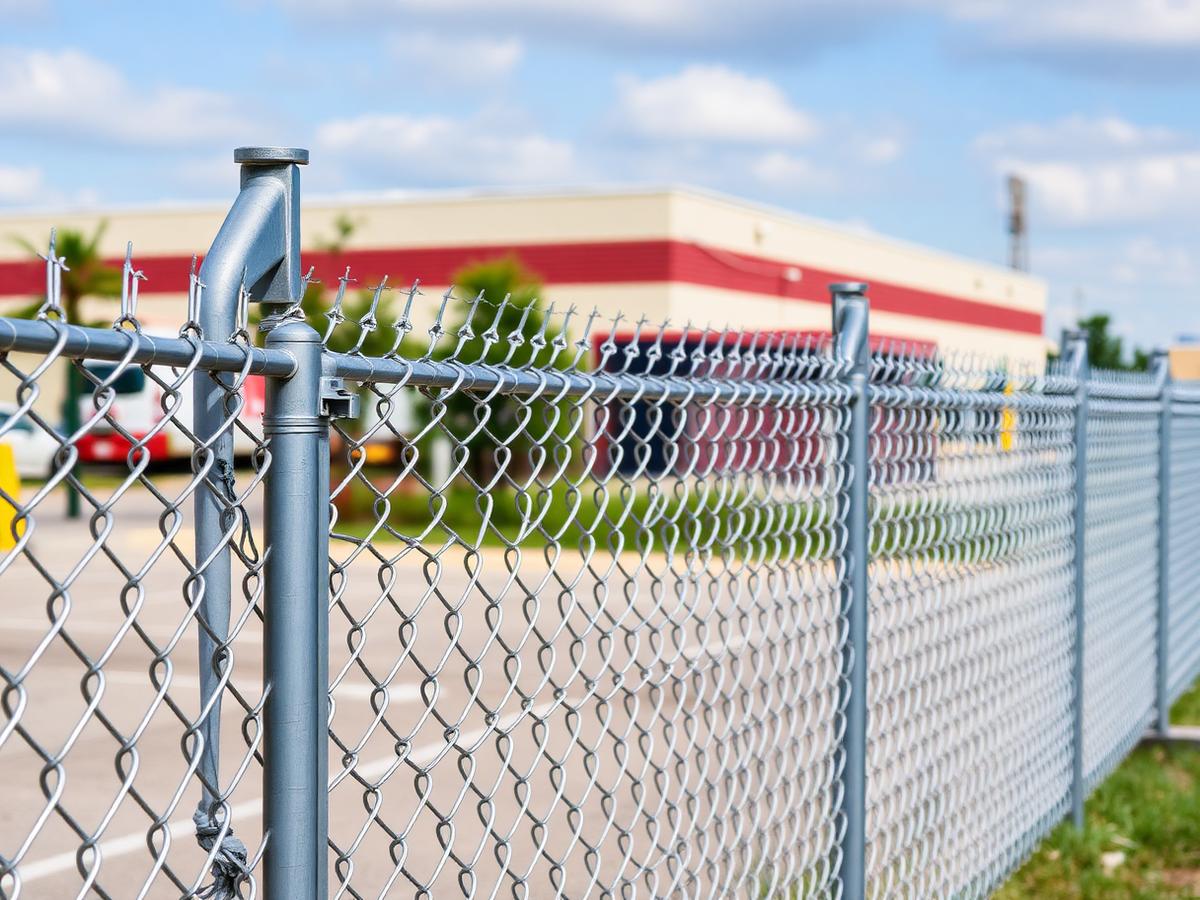
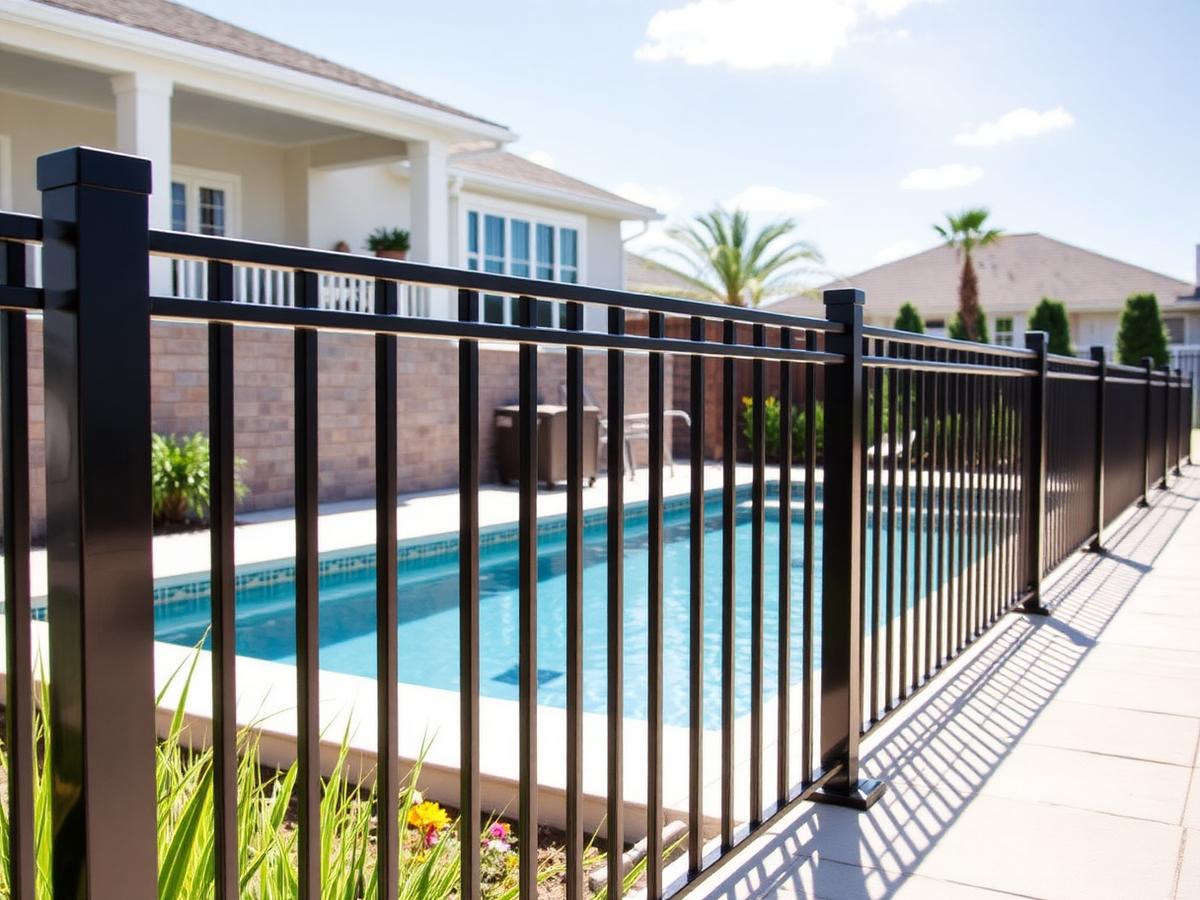
Vertical picket spacing is limited to 4 inches, which is the same standard used to keep a small child from passing through. Chain link mesh openings are limited as well, generally to 1.25 inches unless slats are installed.
Climbability
This is where a lot of otherwise attractive fences fail inspection. Horizontal rails on the outside of the barrier act as a ladder. Code addresses this by requiring that horizontal members be on the pool side, or that they be spaced at least 45 inches apart vertically. Ranch rail, split rail, and lattice patterns with climbable openings are generally not acceptable as pool barriers.
Keep the outside of the barrier clear as well. An air conditioning condenser, a woodpile, a planter, or a retaining wall against the fence can turn a compliant barrier into a climbable one.
Gates
Every gate in the barrier must be self-closing and self-latching, and it must swing away from the pool. The release mechanism has to be located on the pool side, generally at least 54 inches above grade or, if lower, shielded so it cannot be reached through or over the fence.
Gate hardware is what fails first on a pool fence. Spring hinges lose tension, latches drift out of alignment, and a gate that no longer latches on its own is both a code violation and a genuine hazard. Test yours every spring.
When the house forms part of the barrier
If a wall of your home serves as part of the enclosure, additional requirements kick in, typically alarms on doors leading to the pool area or a power safety cover. This is worth discussing with your building department early, because many homeowners find that running the fence around the pool rather than the property is simpler than dealing with door alarms.
Pool alarms
Separate from the barrier, New York requires an approved pool alarm capable of detecting a person entering the water on most residential pools. This is a separate item from your fence but it is part of the same inspection conversation.
Which materials work
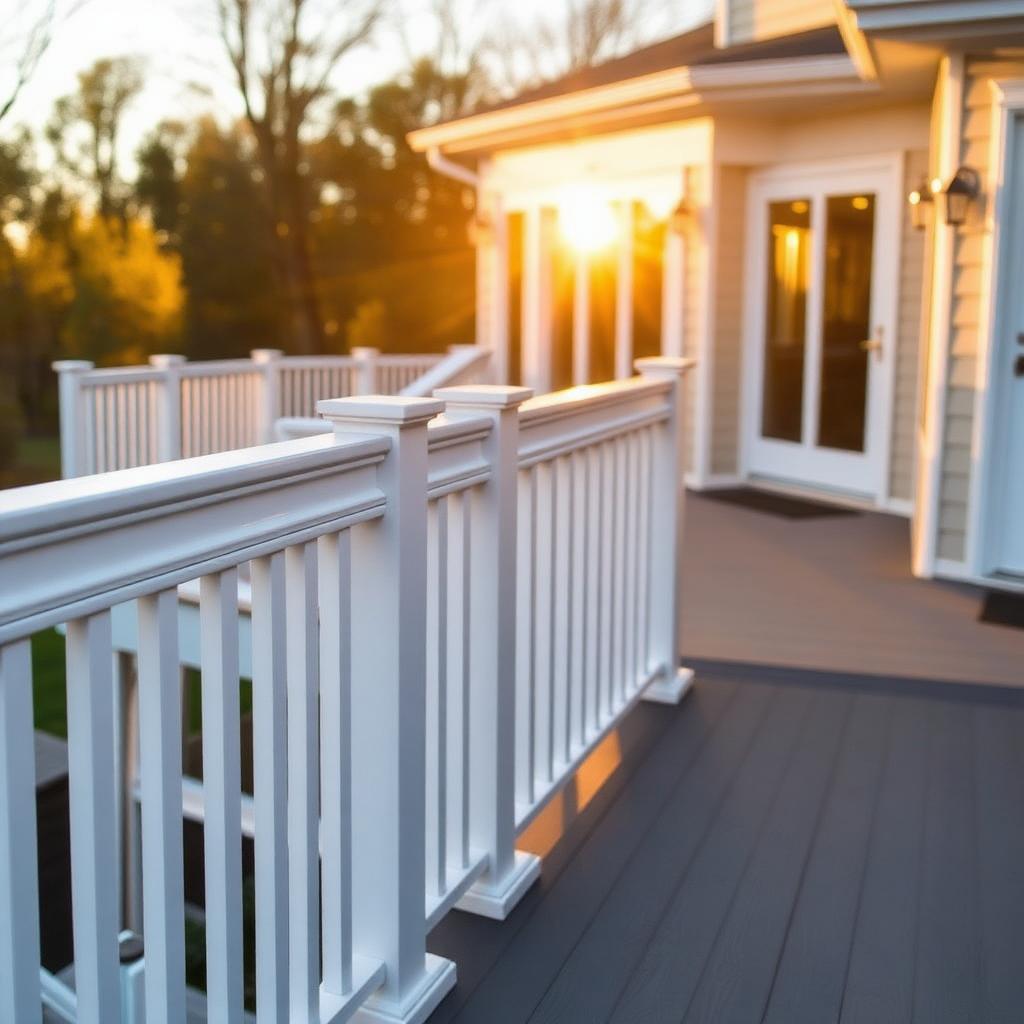
Ornamental aluminum in a pool-specific panel is the most common choice on Long Island. Manufacturers build these with correct picket spacing and rail placement, so compliance is designed in. Vinyl privacy also works and adds screening from neighbors. Chain link can comply with the right mesh or slats. Split rail and ranch rail generally cannot.
Verify with your town
Suffolk County towns and villages differ. Smithtown, Brookhaven, Islip, Huntington, Babylon, and the incorporated villages each administer their own requirements, and setbacks from property lines and structures vary as well. Always confirm with your local building department before ordering.
We install pool-compliant fencing across Suffolk and Nassau and are used to working alongside pool contractors and inspection schedules. Call Magistrale Fence & Railing at (631) 784-3258.
This article is general information, not a code ruling. Confirm all requirements with your local building department.