
Do You Need a Permit to Install a Fence on Long Island?
Often, yes. It depends entirely on your town or village, and on what you are building. Here is how to figure out where you stand before you spend money.
Why the answer is not simple
Long Island is not governed by one fence code. Suffolk and Nassau are divided into towns, and inside those towns sit dozens of incorporated villages with their own building departments and their own rules. Two houses a half mile apart can face different height limits, different setbacks, and different permit requirements.
That is why any contractor who tells you confidently that no permit is ever needed is guessing. The building department with jurisdiction over your address is the only authority that matters.
When a permit is most likely required
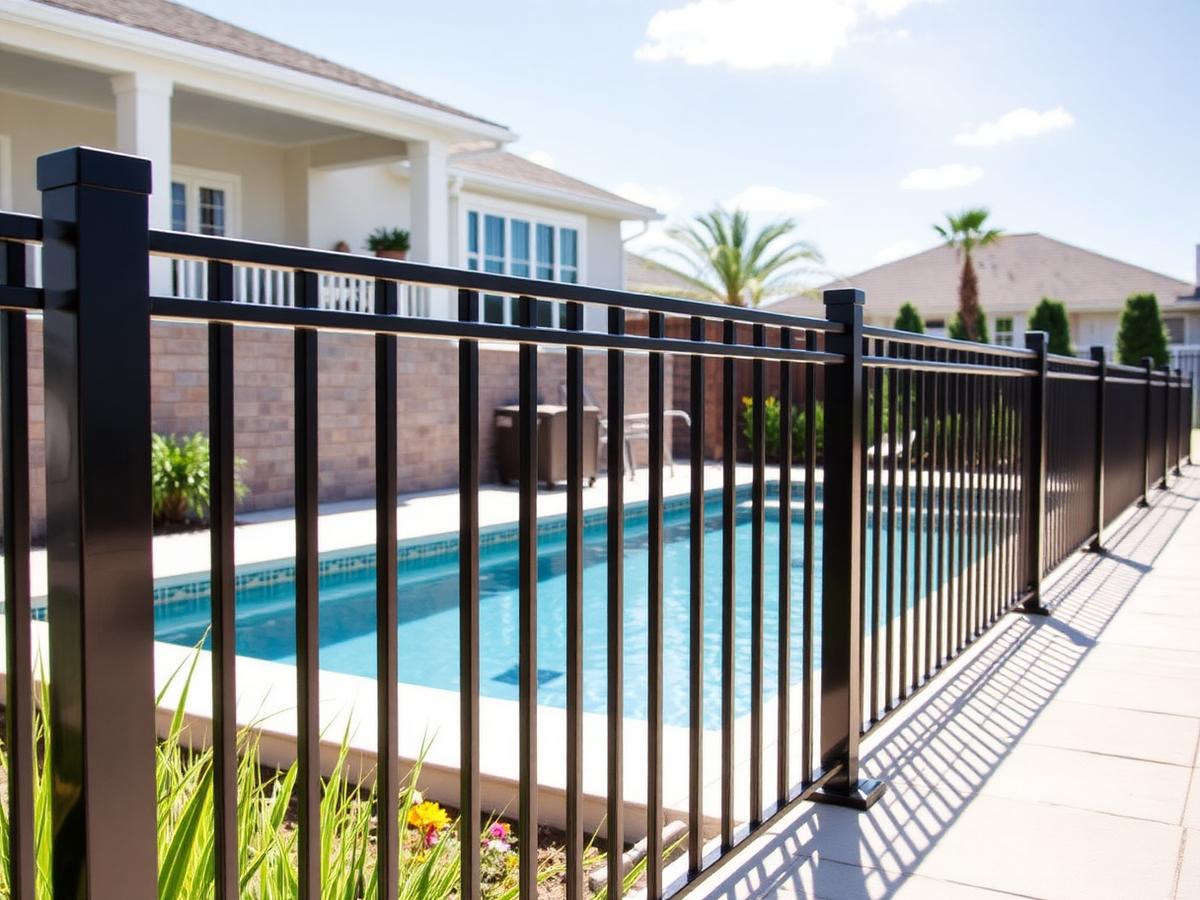
- Pool enclosures. Nearly always require a permit and an inspection, because the barrier is a safety code item.
- Fences over the by-right height. Many municipalities allow a standard height without a permit but require review or a variance above it.
- Front yard fences. Front yards are usually more tightly regulated than back yards, both for height and for material.
- Corner lots. Corner properties have sight-triangle rules to keep intersections visible, and those are strictly enforced.
- Waterfront and wetland-adjacent properties. These can trigger additional review, sometimes at the county or state level, and the timeline is longer.
- Historic districts and village architectural review. Some villages review materials and design, not just dimensions.
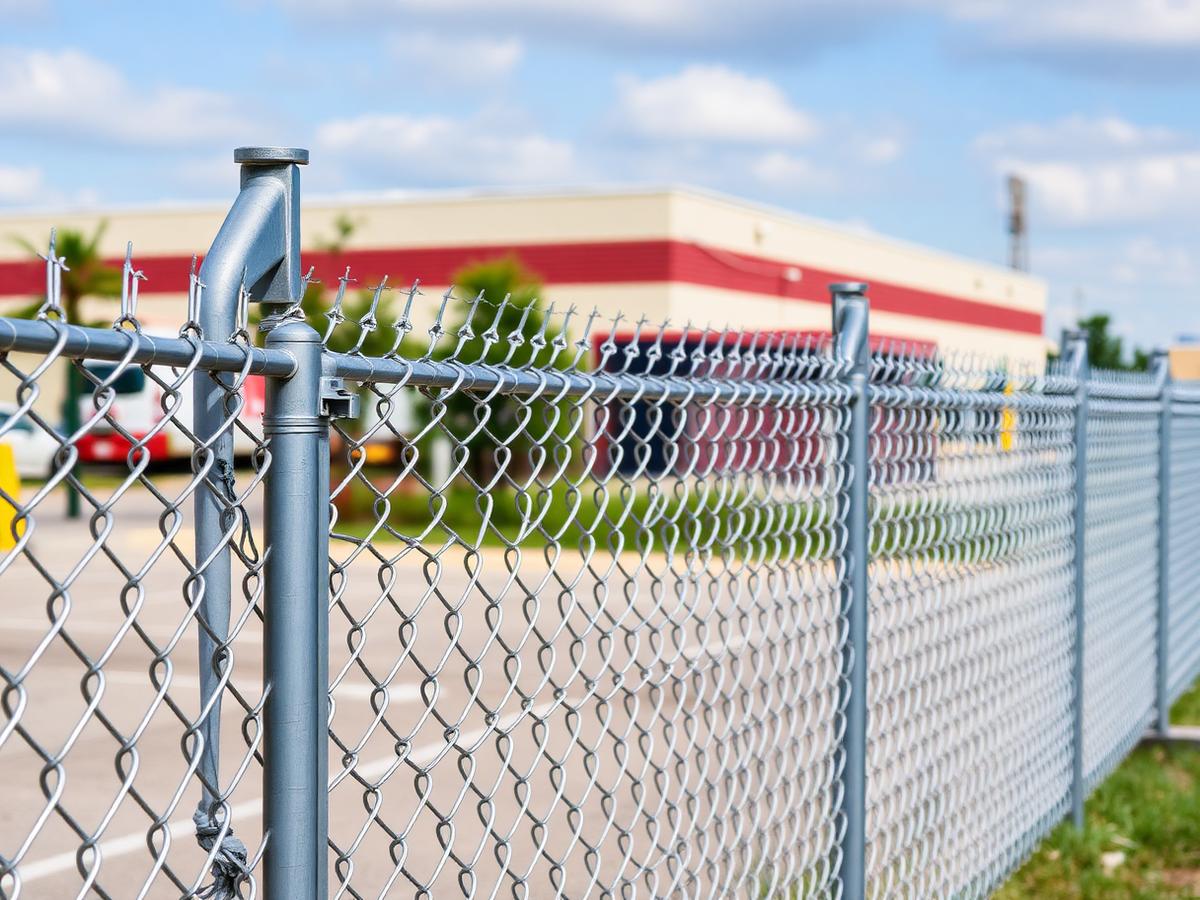
- Commercial properties. Almost always permitted.
What the building department will ask for
Have these ready and the process moves faster:
- A copy of your property survey showing the proposed fence location
- The fence height, style, and material
- Setbacks from property lines and, on corner lots, from the curb
- For pools, the barrier detail including gate hardware and picket spacing
- Contractor license and insurance information
Home improvement licensing
Separate from the permit, Suffolk and Nassau County each require home improvement contractors to be licensed. Ask for the license number and confirm it. An unlicensed contractor can leave you with a fence the town will not sign off on, and it complicates any dispute later. Magistrale Fence & Railing holds Suffolk home improvement license HI-63865.
What happens if you skip it
The risks are real and they usually surface at the worst time. A town can issue a violation and order the fence removed or lowered at your expense. Unpermitted work shows up during a title search or an appraisal when you sell, and buyers' attorneys do ask. If a neighbor complains, the department will come look. And for a pool barrier specifically, non-compliance carries liability consequences well beyond a fine.
Taking a fence down and reinstalling it at a compliant height costs far more than the permit ever would.
How long it takes
Straightforward residential fence permits often turn around in a couple of weeks. Anything requiring a variance, architectural review, or environmental review takes considerably longer, sometimes months. Build that into your timeline, especially if you want the fence up before pool season or before a specific event.
Utility markouts are separate and non-negotiable
Regardless of permitting, New York law requires that underground utilities be marked before digging. Your contractor calls 811 and utility crews come out to paint and flag gas, electric, water, cable, and telecom lines. This takes several business days, which is why no legitimate installer starts digging the morning after you sign. Leave the flags and paint alone until the job is finished.
Who handles it
Practices vary. Some fence companies pull permits as part of the job, some file on your behalf for a fee, and some hand you the paperwork. Ask directly during the estimate, and get the answer in writing along with who is responsible if the town requires a change.
We work in these building departments regularly and will tell you up front what your address requires. Call Magistrale Fence & Railing at (631) 784-3258 for a free estimate.
Ask before you sign, not after
The estimate visit is the right time to settle this. A contractor who works in your town regularly will know immediately whether your address requires a permit, what the height limit is, and how long the department is currently taking. If the answer is vague, that tells you something about how often they actually file.
This article is general guidance. Confirm requirements with your local building department.